



Hey there, fellow tech enthusiasts and folklore fans! Jason Litson here, diving into a topic that’s equal parts mythical menace and modern movie magic. As someone who’s usually geeking out over SEO strategies, web dev hacks, or the latest productivity tools, I occasionally detour into cultural curiosities—especially when they spark my creative side. Today, we’re unpacking the legend of Baba Yaga, her surprising cameo in the John Wick films (yes, that’s “Wick,” not “Wik”—autocorrect strikes again!), and how it all led me to whip up an AI-generated track called “Baba Yaga Blues” in the brooding vibes of Dark Blues. Think of it as folklore meets high-octane action, remixed with a dash of AI wizardry. Let’s hut-dance our way through this, shall we?
Baba Yaga’s Hollywood Glow-Up: The John Wick Connection
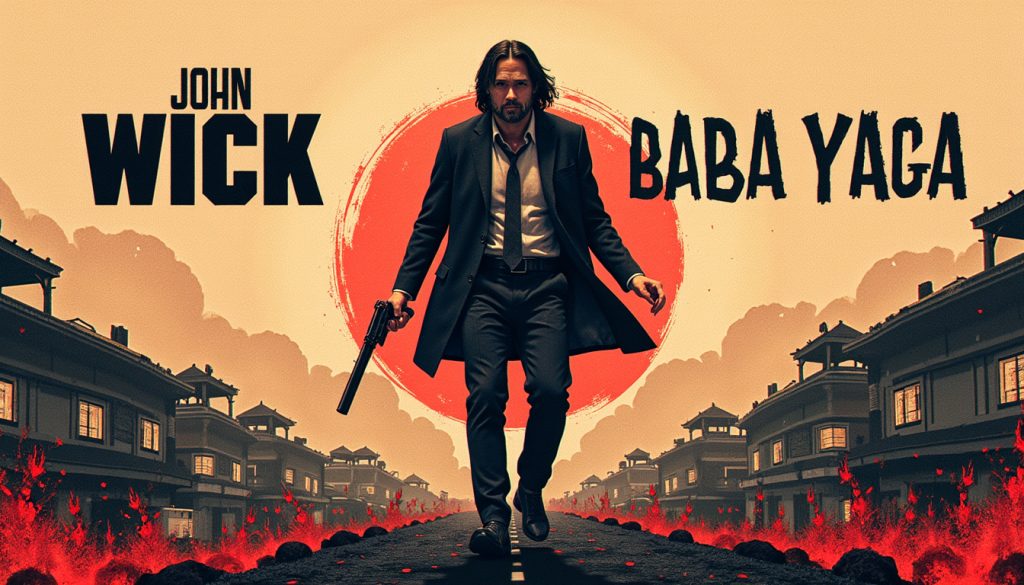
If you’ve binged the John Wick series—and who hasn’t?—you know Keanu Reeves’ unstoppable assassin isn’t just any hitman; he’s the Baba Yaga. But what’s the deal with that nickname? In the films, starting with the 2014 original, crime lord Viggo Tarasov dubs John Wick “Baba Yaga,” explaining it as the Russian equivalent of the Boogeyman. It’s a chilling moniker that underscores Wick’s legendary status in the underworld: not just a monster under the bed, but the guy you hire to kill the monster under the bed. Picture this: Wick’s so lethally efficient that even demons would check their closets for him. The term pops up early in the first movie when Viggo recounts how Wick once took out three men in a bar with nothing but a pencil—talk about sharp writing!
Of course, the filmmakers took some creative liberties. In reality, “Baba Yaga” doesn’t directly translate to “Boogeyman”; it’s a nod to Slavic folklore, but twisted for cinematic flair. The writers admitted it just “sounded cool,” which is Hollywood-speak for “we bent mythology to fit our plot.” Still, it works brilliantly, turning Wick into a mythic figure who embodies relentless vengeance. It’s this blend of ancient dread and modern grit that hooked me—enough to inspire a musical tribute, but more on that later.
Unearthing the True Origins: Baba Yaga in Slavic Folklore
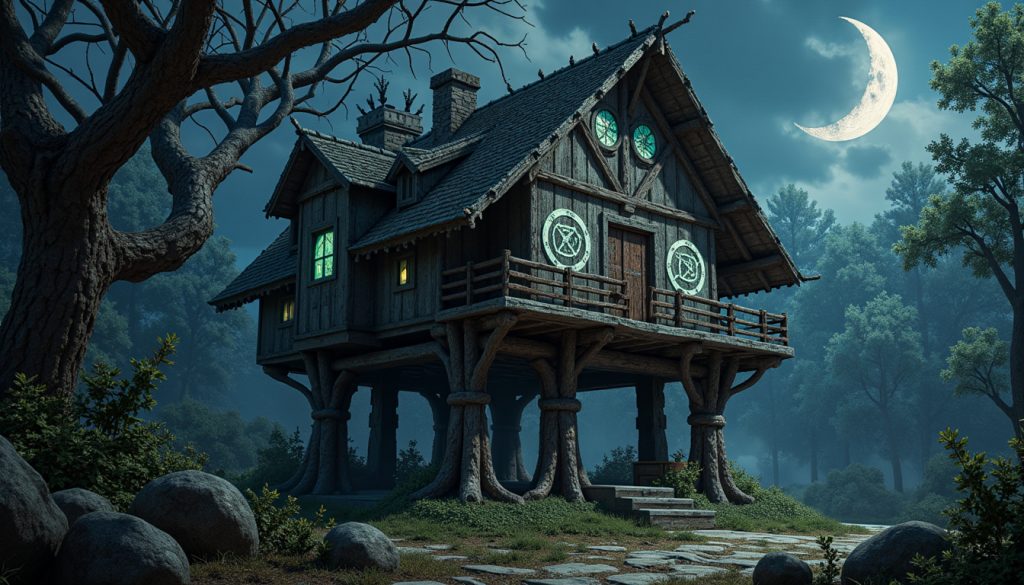
Now, let’s rewind a few centuries (or millennia) to the real roots of Baba Yaga. Far from being a male assassin’s alias, she’s a staple of Slavic mythology, particularly in Russian and Eastern European tales. Dating back to pre-Christian times, Baba Yaga is depicted as a ferocious old crone—often hideous, with iron teeth and a penchant for flying around in a mortar and pestle (because why not?). She lives in a hut perched on chicken legs deep in the forest, which spins around to face visitors… or devour them.
Her character is deliciously ambiguous: sometimes a villain who kidnaps and eats naughty children (giving Hansel and Gretel vibes), other times a wise maternal figure tied to Mother Nature, offering guidance or tests to heroes. The name “Baba Yaga” likely stems from ancient Slavic words—”baba” meaning old woman or grandmother, and “yaga” possibly linked to torment or snake. The earliest written reference pops up in 1755, but her stories are oral traditions from pagan eras, possibly echoing ancient deities or forest spirits.
Humor me for a sec: Imagine SEO for Baba Yaga’s hut. Keywords like “chicken-legged real estate” or “forest witch Airbnb”—it’d rank #1 for “unique stays,” but with a side of existential dread. In folklore, she’s a symbol of life’s dualities—birth and death, help and harm—rooted in the harsh Slavic wilderness where survival meant respecting (or fearing) nature’s whims.
From Silver Screen to Sound Waves: Inspiring “Baba Yaga Blues”
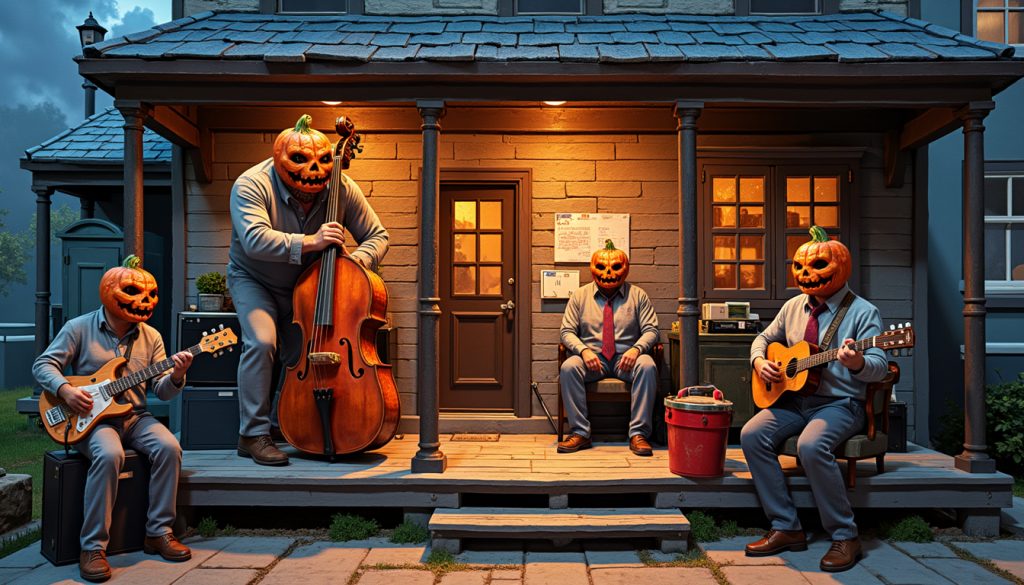
So, how does a folklore witch turned movie myth inspire a tech-savvy blogger like me? Simple: After rewatching John Wick for the umpteenth time (pro tip: it’s a productivity booster—nothing motivates like watching someone avenge a puppy), I got obsessed with the Baba Yaga lore. That shadowy, rhythmic intensity screamed “Dark Blues” to me—a genre blending the soulful melancholy of traditional blues with darker, mystical undertones, think gritty guitars meets eerie atmospheres. It’s perfect for evoking ancient forests and modern mayhem.
Enter AI: As a web dev and tech aficionado, I fired up some cutting-edge AI music tools (shoutout to platforms like AIVA or Suno—always evolving in 2025) to generate “Baba Yaga Blues.” The track features pounding drum beats mimicking the stomp of chicken legs, haunting harmonica wails like wind through birch trees, and lyrics riffing on Wick’s vengeance with folklore twists. Lines like “In the hut where shadows drum, Baba calls, the Boogeyman comes” capture that crossover vibe. It’s my way of merging cultural history with AI creativity—proving tech isn’t just for SEO audits or app builds; it’s a playground for artistic experiments.
If you’re into productivity hacks, try this: Use AI for brainstorming tunes during downtime. It boosts mental health by channeling inspiration into output, and who knows? Your next blog post could go viral with a custom soundtrack.
Baba Yaga vs. John Wick: A Quick Comparison Table
To keep things structured (and SEO-friendly), here’s a side-by-side look at the original folklore figure and her cinematic nod:
| Aspect | Slavic Folklore Baba Yaga | John Wick’s “Baba Yaga” Nickname |
|---|---|---|
| Appearance | Old crone with iron teeth, flies in mortar | Suited assassin with a beard and bad luck |
| Habitat | Spinning hut on chicken legs in forest | Urban underworld, hotel safe houses |
| Role | Ambiguous: helper or child-eater | Ultimate Boogeyman slayer |
| Powers | Magic, shape-shifting, nature control | Expert marksmanship, pencil-fu |
| Cultural Tie | Pre-Christian Slavic myths | Loose Russian folklore reference for cool factor |
This table highlights how myths evolve—folklore’s complexity simplified for blockbuster appeal.
FAQ: Demystifying Baba Yaga
What does “Baba Yaga” actually mean?
It roughly translates to “old woman” or “grandmother” with a twist of torment, rooted in ancient Slavic languages.
Is Baba Yaga good or evil?
She’s both! In tales, she can aid heroes or gobble up the unworthy—classic moral ambiguity.
Why did John Wick get that nickname?
It’s a mythic exaggeration of his fearsome rep: the man who kills Boogeymen.
How can I listen to “Baba Yaga Blues”?
Stay tuned—I’ll drop a link on JasonLitson.com once it’s polished. In the meantime, experiment with AI music generators yourself!
There you have it, folks: Baba Yaga’s journey from ancient woods to action flicks and my digital drum kit. If this post sparked your interest in folklore-tech mashups, hit that subscribe button for more. What’s your take on mythic inspirations in modern media? Drop a comment below—let’s chat!
Jason Litson is a web designer, SEO expert, and occasional AI musician. Find more at JasonLitson.com.