



Hey everyone, Jason Litson here from JasonLitson.com. Today, I’m getting personal—something a bit outside my usual wheelhouse of SEO tips, web design hacks, productivity boosts, and tech reviews. But life isn’t just about optimizing your site for Google or building a killer WordPress theme; sometimes it’s about reflecting on the big decisions that shaped your path. And for me, one of the biggest was choosing not to join the military, despite it feeling like my destiny growing up.
This post (and the upcoming video on my YouTube channel, Epic Jay Digital) is my story: why I almost enlisted in the Army, what stopped me, and why—three decades on—I’m profoundly grateful I listened to that inner (and maternal) voice. It’s a tale of family legacy, shattered illusions, and waking up to some hard truths about power, war, and what we’re really fighting for. Let’s dive in.
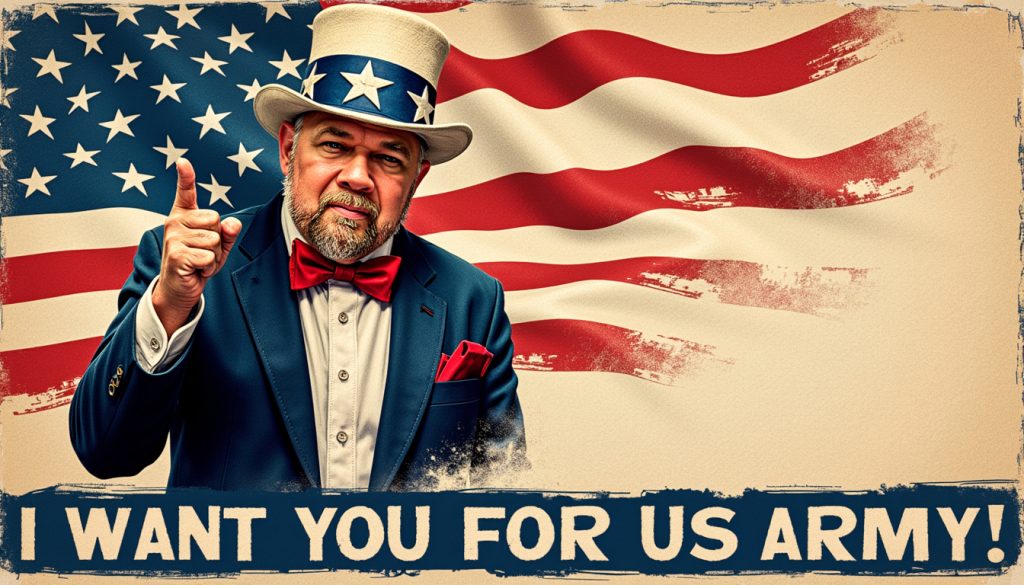
The Pull of Family Tradition: Why I Wanted to Join
Growing up, military service wasn’t just an option—it was expected. My grandfather fought in World War II, a combat veteran who came back with stories that made America sound like the ultimate force for good. My father served in Vietnam, another combat vet whose experiences I idolized as a kid. To me, the United States was the best country on Earth: land of the free, defender of democracy, the good guys in every history book.
I wanted to be just like them. Enlisting felt like honoring that legacy, proving my patriotism, and stepping into manhood. Back then, I bought the narrative hook, line, and sinker: We fight for freedom, justice, and the American way.
So, one day in my early twenties, I headed to the recruiter’s office, ready to sign on the dotted line for the Army.
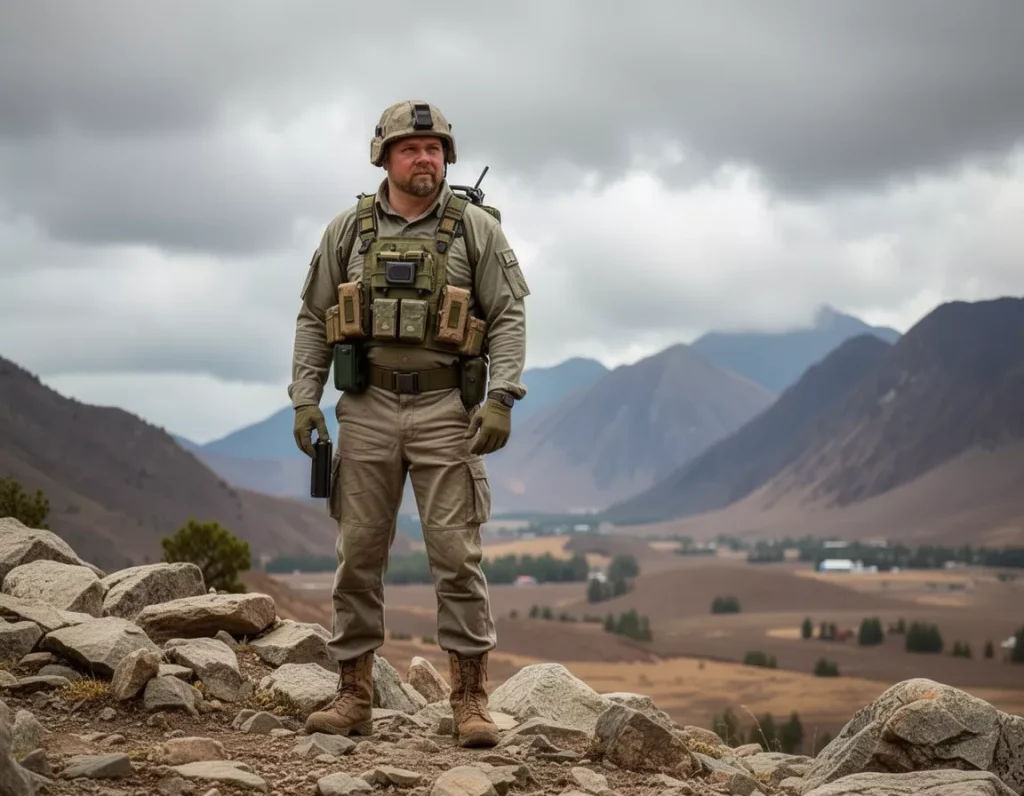
The Phone Call That Changed Everything
As I was en route, my phone rang. It was my mom.
“What are you doing today?” she asked.
“I’m on my way to join the Army,” I replied, probably sounding proud.
What came next shocked me. My mom—usually quiet on these topics—begged me not to go. She warned that politicians would just use me as a pawn in their games. Soldiers, she said, are expendable pieces on a chessboard, sent to fight wars that benefit the powerful, not the people.
I’d never heard her talk like this. My whole life, she’d supported the family tradition without question. But in that moment, something raw and real broke through. She wasn’t anti-military; she was anti-being-used.
I turned around. I didn’t enlist that day. And honestly? It was one of the best decisions I ever made.

30 Years Later: Mom Was Right (And Then Some)
Fast forward three decades. Looking back, I’m endlessly grateful I listened. The veil has lifted on so many things we were told growing up.
My father and grandfather? Brave men, no doubt. But they were deceived—sent into conflicts sold as noble but rooted in deception and geopolitical chess. Vietnam wasn’t about stopping communism so much as it was a tragic, unnecessary quagmire that cost millions of lives. WWII, while defeating real evil, has layers of complexity that schoolbooks gloss over.
And broader? Everything the West preached—freedom, democracy, moral superiority—often rang hollow when you dig deeper. Our history books? Selective at best, propagandized at worst. The church and Bible as unquestionable truth? Many see them now as tools of control. Nations built on conquest, lies, murder, and destruction asking young people to die for them?
Why would anyone fight for that?
Don’t get me wrong—I’m not saying all service members are dupes, or that there aren’t genuine threats worth defending against. But too often, wars are about resources, power, and profit, not the ideals we were sold.
Common Reasons People Step Back from Military Service
My story isn’t unique. Many folks reconsider enlisting for similar reasons. Here’s a quick table of common factors (based on surveys and personal accounts I’ve come across):
| Reason Category | Examples/Details |
|---|---|
| Family Influence | Parental pleas, seeing veterans’ struggles (PTSD, health issues from wars like Vietnam) |
| Moral/Ethical Concerns | Doubts about war justifications, fear of being a “pawn” in political games |
| Personal Risks | Potential for injury, death, or mental health impacts (e.g., PTSD) |
| Alternative Paths | College, careers, or civilian opportunities seen as better fits |
| Skepticism of Narratives | Questioning official histories, foreign policy motives, or national “myths” |
Family pressure (or anti-pressure, like mine) plays a huge role for many.
FAQs: Answering Your Likely Questions
Q: Do you regret not serving or honoring your family’s legacy?
A: Not at all. I honor my dad and grandpa by living a thoughtful life, questioning authority, and building something positive (like my blog and channel!). Legacy isn’t just about uniform—it’s about integrity.
Q: Are you anti-military now?
A: No. I respect those who serve with genuine intent. But I’m critical of how governments use (and abuse) that service. Blind patriotism? That’s dangerous.
Q: What advice for someone facing family pressure to join (or not)?
A: Talk it out openly. Research deeply—beyond recruiters or headlines. Your life, your choice. And remember: True courage includes saying “no” when something feels wrong.
Q: How has this shaped your views on productivity and life?
A: Hugely. It taught me to question narratives (great for SEO and critical thinking!), prioritize health over hype, and build a life on my terms. Productivity isn’t grinding for someone else’s agenda—it’s purposeful action.
Wrapping Up: Gratitude and Reflection
Mom, if you’re reading this—thank you. You saved me from potential regret, and opened my eyes early.
To you readers: What’s your take? Have family stories shaped your big decisions? Drop a comment below—I read them all.
If this resonated, subscribe to the blog at JasonLitson.com for more real-talk posts (mixed with my usual tech and productivity gold). And check out the video version on Epic Jay Digital—I’ll dive deeper with some visuals and humor to lighten the heavy stuff.
Stay thoughtful out there,
Jason Litson